Seemingly Harmless Goldfish Capable of Causing Systemic Damage to Freshwater Ecosystems
Commonly kept as pets, goldfish can trigger cascading ecological disruptions when released into ponds, lakes, or other natural freshwater environments, with impacts far exceeding public perception. A research team from the University of Toledo and the University of Missouri has obtained strong evidence through controlled experiments demonstrating that goldfish significantly disrupt freshwater ecosystems after entering the wild; the research has been published in the journal *Animal Ecology*.
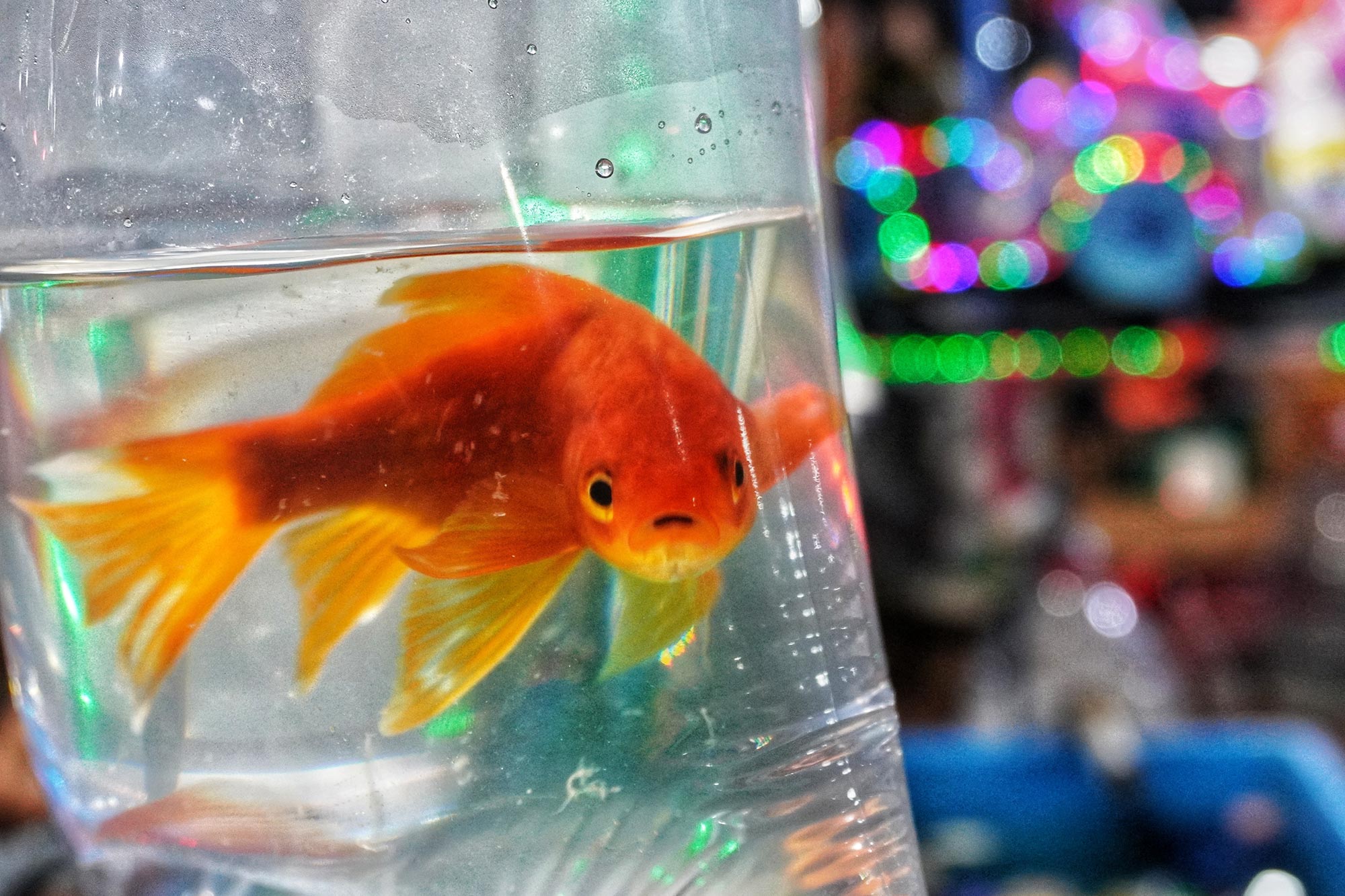
Lead researcher William Hintz, Associate Professor in the Department of Environmental Sciences and the Lake Erie Center at the University of Toledo, points out that the public must recognize that pets can, in some cases, become “harmful species” and damage freshwater ecosystems. He stated that releasing goldfish into the wild may seem well-intentioned to some, but this behavior can actually evolve into a serious ecological threat.
To more accurately assess the ecological impact of goldfish, researchers conducted large-scale, controlled outdoor mesocosm experiments to simulate operating conditions in real lake environments. In the experiment, the research team introduced goldfish into two types of common simulated freshwater systems: one with low nutrient levels (oligotrophic water) and the other with high nutrient levels (eutrophic water), and continuously tracked system changes.
The results showed that water quality deteriorated rapidly after goldfish entered the system. Under eutrophic conditions, researchers observed a significant decrease in water clarity and a significant increase in suspended particles, indicating a clear shift in ecological balance.
At the same time, the number of native organisms at multiple trophic levels also declined. The study pointed out that goldfish, through direct consumption and disturbance of habitats, led to a significant reduction in aquatic food web base organisms such as snails, cladocerans, and zooplankton, which are essential components of maintaining healthy freshwater ecosystems.
The study also found that native fish were also negatively affected. Goldfish compete with native fish for food and other resources, thereby reducing the body condition indices of native fish, which is often considered an important signal for assessing the long-term health of populations.
Notably, neither oligotrophic lakes nor eutrophic lakes were spared from the impact of goldfish. Although the specific impacts on different types of water bodies varied, researchers pointed out that no freshwater ecosystem can currently be considered “naturally immune” to goldfish invasion.
In the experimental design, the research team simultaneously used additive and replacement approaches to distinguish the effects caused by the goldfish itself from the effects caused by changes in total fish density. The results showed that although some aquatic plant community changes were related to overall fish density, the most severe ecological disturbances were caused directly by goldfish.
Researchers also recorded a phenomenon called “state shift,” which refers to the rapid reorganization of an ecosystem into a new, often more degraded state after crossing a critical point. Once this shift occurs, subsequent recovery is often difficult and costly.
The research team pointed out that against the backdrop of the rapid expansion of the global pet trade, species are flowing across regions at an unprecedented rate, and goldfish are one of the most widely distributed ornamental fish globally. Once they enter rivers, lakes, and ponds due to intentional release or floods, they can quickly establish invasive populations.
Rick Relyea, Professor at the College of Agriculture, Food and Natural Resources at the University of Missouri and Director of the Johnny Morris Institute for Fisheries, Wetlands and Aquatic Systems, and a co-author of the paper, stated that after being placed in the wild, goldfish quickly grow into large individuals, which stir up lake bottom sediments, consume large amounts of prey, and compete with native fish. These behaviors collectively amplify their destructive effects on ecosystem structure and function.
Based on the research results, scientists call on natural resource management departments to list goldfish as an invasive species requiring priority control and to take preventive, monitoring, and control measures as soon as possible. At the same time, the research team also emphasized the need to strengthen public education so that breeders fully understand the environmental risks that may be caused by the random release of aquatic pets.
For those who can no longer continue to raise goldfish, researchers recommend choosing other methods of disposal, including returning the goldfish to pet stores, transferring them to other aquarium enthusiasts, or contacting local wildlife management agencies for advice.