U.S. Senate Bans Senators from Participating in Prediction Market Trading
On April 30th local time, the U.S. Senate unanimously passed a new rule prohibiting senators from participating in various prediction market transactions, effective immediately. This move comes amid growing concerns about potential insider trading on prediction market platforms and the sensitive nature of some contracts involving war, elections, and even death and violence.
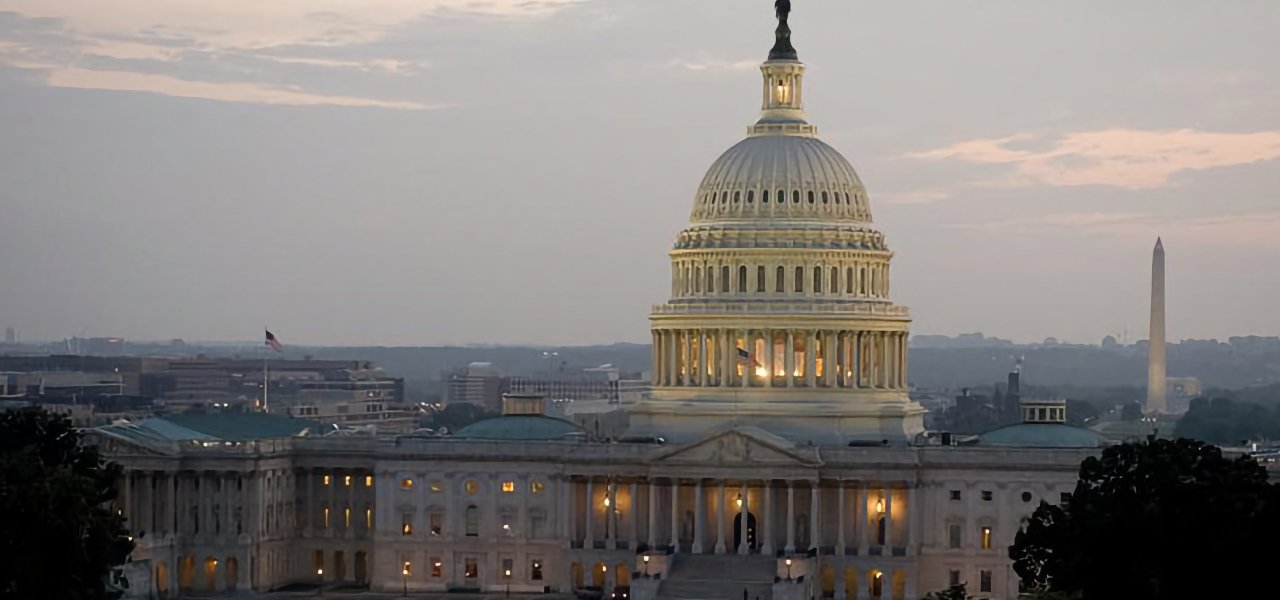
According to the new rule, senators are prohibited from trading on prediction market platforms including Kalshi and Polymarket. Previously, some elected officials and military personnel were accused of using their positions to bet on political and military events directly related to their work on these platforms, raising serious ethical and compliance concerns.
On the 22nd of this month, prediction market platform Kalshi announced that it had disciplined a U.S. Senate candidate and two House candidates for engaging in “political insider trading” on contracts directly related to their own campaigns, suspending their trading privileges and imposing fines. This was seen as the first high-profile internal compliance ruling against politically involved individuals in the prediction market industry.
Immediately following on April 23rd, Gannon Ken Van Dyke, a U.S. Army Special Forces sergeant, was indicted by federal prosecutors, accused of using classified intelligence to bet on Polymarket and profit from an upcoming military operation. Prosecutors alleged that his bets were directly related to a U.S. military mission to capture Venezuelan leader Nicolás Maduro, and Van Dyke himself participated in the operation, ultimately profiting nearly $410,000.
On the same day the Senate passed the self-binding rule, several Democratic federal lawmakers also issued a call to the Commodity Futures Trading Commission (CFTC), urging the regulatory agency to develop stricter rules. These lawmakers suggested that the CFTC should explicitly prohibit trading in event contracts related to election results, war and military operations, sporting events, and specific government actions that lack a “bona fide economic hedging” purpose, and use regulatory measures to prevent insider trading and corruption from spreading in this emerging market.
Faced with an increasingly stringent political and regulatory environment, major prediction market platforms have chosen to publicly support the Senate’s move. Tarek Mansour, CEO of Kalshi, posted on social platform X, stating that he applauded the Senate’s resolution banning senators and their offices from participating in prediction market trading, and that Kalshi had proactively blocked congressional accounts and enforced anti-insider trading rules. He said the resolution would help elevate relevant standards to industry consensus, and called on the House of Representatives to pass similar measures as soon as possible.
Another well-known platform, Polymarket, also released a statement on X, stating that its rules and terms of service already prohibited such improper behavior, and that enshrining these prohibitions in law was an important step forward for the industry. The company also stated its willingness to cooperate with all parties to promote relevant legislation and regulatory processes.
Against the backdrop of the rapid expansion of prediction markets and the influx of a large number of retail and professional funds, drawing a clear line between “information prediction” and “insider trading” has become a common issue for U.S. politicians and regulators. The Senate’s self-binding action is seen as the latest signal that Washington’s attitude towards this emerging financial tool is becoming more cautious.