Meta Outsourcing Partner Fires Over 1,000 AI Labelers, Media Exposes Large-Scale Privacy Scandal Involving Ray-Ban Smart Glasses
Meta recently quietly terminated its partnership with outsourcing company Sama, which was entrusted with using image data collected from Ray-Ban smart glasses to provide training material for Meta's generative AI systems. Subsequently, Sama announced the layoff of 1,108 employees, some of whom claim they were laid off in "retaliation" after disclosing to the media that the videos they reviewed contained a large amount of highly private content.
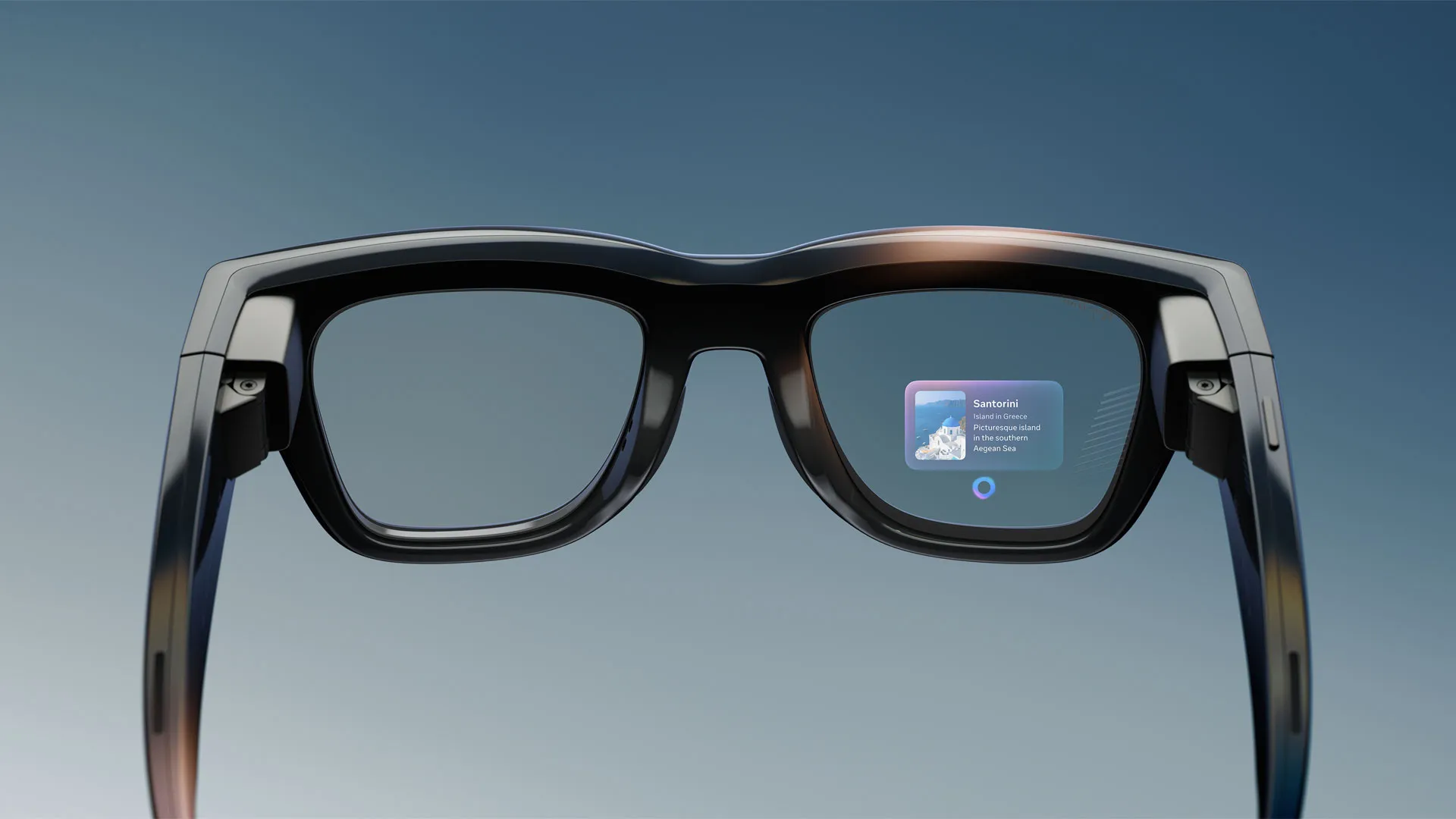
The incident was first exposed in February of this year. Employees of Sama in Nairobi, Kenya, revealed to two Swedish newspapers that their job involved tagging videos from smart glasses, and the people in the footage were often unaware they were being filmed. These Ray-Ban smart glasses have built-in AI assistants that need to continuously record audio and video, some of which is used as AI training data, and then supplemented and perfected by human labelers to understand content that AI finds difficult.
Meta stated that its terms of service have informed users of how the data is used and that the glasses must obtain explicit user authorization before enabling AI mode. However, multiple Sama employees said that the footage they accessed included financial information such as bank accounts, private conversations, and even fully nude scenes in bathrooms and intimate scenes, which clearly exceeded the public’s perception of the boundaries of normal data collection.
After the media investigation report was published, Meta announced the cancellation of its contract with Sama, stating that the company "failed to meet Meta's standards." Sama immediately responded, stating that it had never received any formal feedback about its work quality being "below standard." At the same time, employees revealed that, against the backdrop of upgraded security measures, the company arranged for them to "clock in" in a state of almost nothing to do, suspected of using internal investigations to lock down the "whistleblowers" who leaked information to the media.
This is not the first time Sama has been involved in labor and ethical controversies related to AI. The California-based outsourcing company was commissioned by OpenAI to provide training services for ChatGPT, which officially debuted in 2022. To reduce the output of harmful content by the chatbot, Sama arranged for Kenyan employees to review and filter highly shocking text and image content for long hours for less than $2 a day, and the work was exposed to have caused significant harm to employees' mental health. In the same year, Meta and Sama also faced accusations of recruiting employees through misleading job postings, constituting disguised human trafficking, and firing workers who attempted to form unions.
In addition to labor rights issues, the incident has once again brought the privacy risks of smart glasses to the forefront. As early as the Google Glass era, its recording capabilities were strongly opposed by public opinion due to the possibility of "invisible surveillance" in public spaces. Now, after Meta "restarted" this category with a product that is more low-key and closer in appearance to everyday glasses, users have been spotted wearing it during court proceedings, and it has been activated for recording during police operations, and students have been found using smart glasses to cheat on exams.
Against the backdrop of continued warming of wearable devices, other tech giants are also accelerating their layout. Reports say that Apple is currently testing up to four smart glasses design schemes, intending to compete directly with Meta's Ray-Ban products in the future. Under the trend of deep integration of AI and sensing devices, how to strike a balance between innovative experiences and personal privacy and labor rights has become a core problem that the technology industry cannot avoid.