Study First Confirms Human Heart Muscle Cells Can Regenerate After Heart Attack
Scientists have, for the first time in humans, discovered that heart muscle cells can regenerate after a heart attack – a process previously only observed in mice, offering hope for future regenerative therapies. The groundbreaking research, led by experts from the University of Sydney, the BDI and Royal Prince Alfred Hospital, found that heart muscle cells are able to regrow following a heart attack.
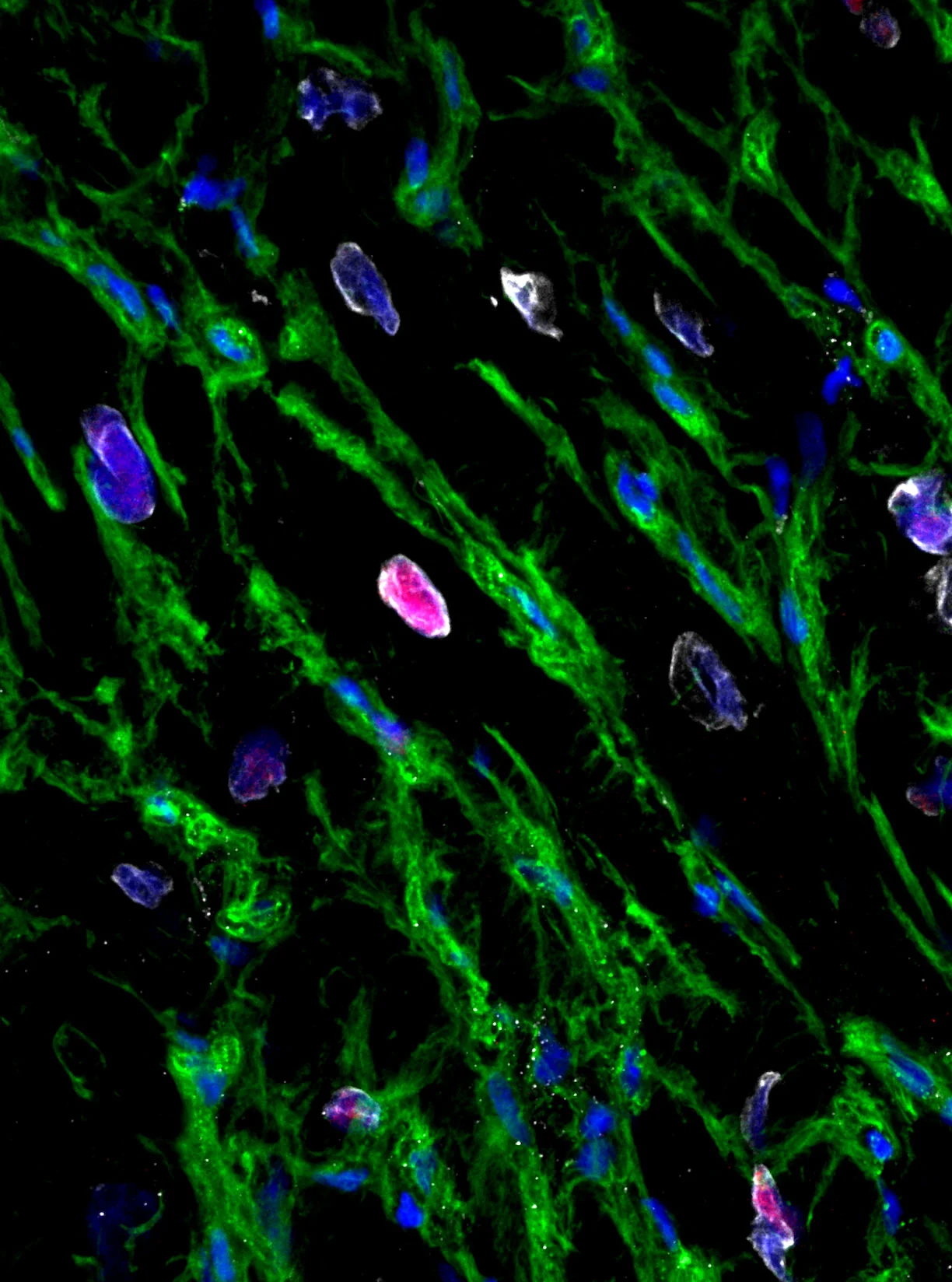
The research, published in the journal *Circulation Research*, was led by Dr Robert Hume, from the Faculty of Medicine and Health and the Charles Perkins Centre, and Translational Research Lead at the BDI. He explained the significance of the finding: "Until now, we believed that these areas of the heart suffered irreparable damage after a heart attack, due to the death of heart cells, leading to a decline in the heart’s ability to pump blood to the body’s organs. Our research shows that, despite scarring, the heart does create new muscle cells, opening up new possibilities." While the discovery of this regrowth of muscle cells is exciting, it is not enough to prevent the damaging effects of a heart attack. Therefore, we hope to develop therapies that can enhance the heart’s natural ability to produce new cells and regenerate the heart after a heart attack."
While increased cell division (the process of cells dividing and multiplying) has previously been observed in mouse hearts after a heart attack, this is the first time the same process has been confirmed in humans. Cardiovascular disease remains the leading cause of death globally, accounting for almost 24% of all deaths in Australia. A heart attack can destroy up to a third of cells in the human heart. Despite significant improvements in survival rates over the past decade due to advances in treatment, many patients still develop heart failure, a condition that can only be cured by transplant. In Australia, approximately 144,000 people live with heart failure, yet only around 115 heart transplants are performed each year, highlighting the huge gap between need and available treatment.
The study is the first globally to analyse tissue taken from living patients during bypass surgery. These “live” samples were obtained from volunteers undergoing heart bypass surgery at Royal Prince Alfred Hospital in Sydney. Researchers used a technique developed by Professors Paul Bannon and Sean Lal to collect samples from both damaged and healthy areas of the heart, affiliated with the University of Sydney, Royal Prince Alfred Hospital and the BDI. By establishing a reliable method for collecting live heart tissue, the research team created a laboratory model that can be used to study new ways to repair the human heart.
The study’s senior author, Professor Sean Lal from the Faculty of Medical and Health Sciences and a heart failure cardiologist at Royal Prince Alfred Hospital, said: “The ultimate goal is to harness this discovery to manufacture new heart cells to reverse heart failure. Using live human heart tissue in our work means we will get more accurate and reliable data to develop new treatments for heart disease. Our research using these samples has already identified several proteins previously shown to be involved in heart regeneration in mice, which is a very exciting prospect for now translating to humans.”