Maryland Becomes First State to Ban Grocery Store Surveillance Pricing
Maryland has become the first U.S. state to prohibit surveillance pricing in grocery stores. The state law prevents grocery stores and third-party delivery services from using personal data to set higher prices. Governor Wes Moore signed the measure into law on Tuesday.
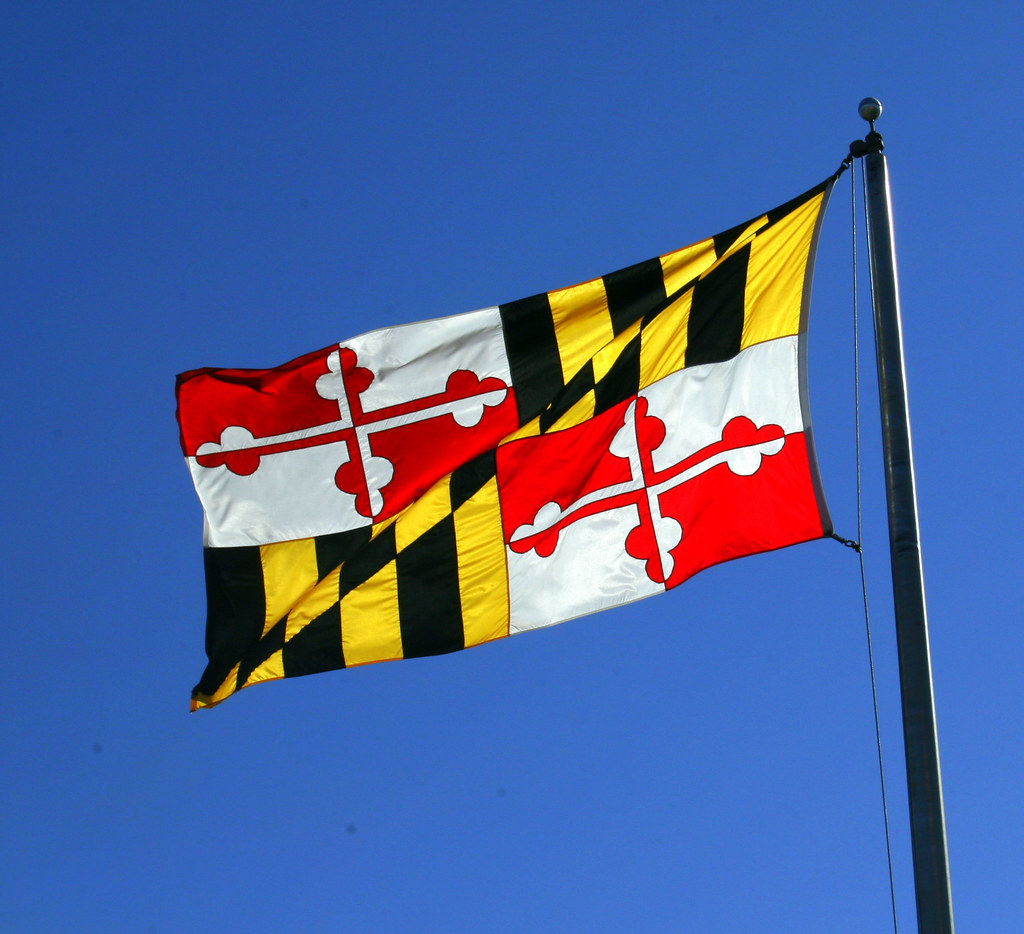
Moore stated at the bill signing, "In an age where technology can predict what we need, when we need it, when we’ll buy it, and when we’re willing to pay more, and where we’ve seen big corporations use that data to game us and create record profits, Maryland is not just pushing back, we’re moving forward because we’re going to protect our people."
When implementing surveillance pricing, stores rapidly change product costs based on consumer data, including a consumer’s location, internet search history, and demographics. This means buyers pay different prices for the same goods around the same time. This practice is also known as dynamic pricing, and critics say that by doing so, businesses are effectively charging everyone the maximum they are willing to pay.
While Maryland’s new law focuses on grocery stores, the U.S. Federal Trade Commission has documented instances of surveillance pricing in stores selling clothing, beauty products, home goods, and hardware. Consumer groups point out that surveillance pricing in grocery stores is more pressing because it impacts Americans’ access to affordable food.
Bills under consideration in Colorado, California, Massachusetts, Illinois, and New Jersey could also regulate surveillance pricing. The federal government has also intervened. During the Biden administration, the Federal Trade Commission investigated these pricing practices and released preliminary findings of a study in January of last year, finding that companies used a wide range of personal data when setting different prices for buyers. But the current administration is unlikely to crack down on surveillance pricing, given that the current FTC Chair Andrew Ferguson described the previous administration’s report as a rushed job. Tom McBrayne, legal counsel for the Electronic Privacy Information Center, said it is against a backdrop of federal inaction that states like Maryland need to take action.
Anti-surveillance advocates say the new law is filled with industry exemptions that will make protecting consumers more difficult. They welcome Maryland’s focus on the practice, but express concern about loopholes inserted due to industry lobbying. “We’re pleased that Maryland took this step, but we do have serious concerns. These exemptions allow the same result to be achieved through other means, just in a way that’s harder for consumers to detect,” McBrayne said.
Maryland’s law includes exemptions for membership programs and promotional offers. While the law prohibits setting higher prices through surveillance pricing, it does not address lowering prices. McBrayne said that if a company raises prices for everyone and then offers personalized discounts, “suddenly you’ve achieved the same result.”
The non-profit Consumer Reports, which investigated Instacart pricing, said in a statement that it appreciated Moore making the issue a priority but condemned the law’s “weak enforcement provisions.” The organization said, “We urge Maryland lawmakers to revisit this legislation next year to establish stronger consumer protections and eliminate loopholes that undermine the intent of the law.” Instacart announced it would no longer use technology allowing grocery stores to charge different shoppers different prices for the same goods after a Consumer Reports investigation exposed the practice last year.
A statement from Instacart read, “Instacart has never engaged in this practice, and we support the core principle of this legislation: prices should never be personalized based on a customer’s individual data.”
The most vocal critics of Maryland’s new law argue that it is not only lacking in enforcement but also erodes existing rights. They specifically point to a provision that allows only the state attorney general, not individuals, to enforce the law. Lee Hepner, senior legal counsel for the American Economic Liberties Project, said, “Private rights of action are a fundamental component of accountability. A meaningful threat of enforcement is the only effective deterrent to wrongdoing.”
Hepner said, “The biggest threat of the Maryland bill is that other states will look to it as a model bill to replicate in their own jurisdictions. It’s very important that the Maryland bill not be looked at as a model, and instead be recognized as a license to continue discrimination written by the industry, as we try to get this legislation right in states from Colorado to California to New York.”