Two Sides of the Memory Market: DDR4 Prices Plunge 16% Monthly While DDR5 Continues to Rise
The memory market has been rising for nearly a year, with spot prices increasing 5-10 times compared to last year. However, the market is now diverging, with the previous generation DDR4 unable to continue rising in price. DDR4 memory was the first to increase in price last year, starting in the first half of the year, due to production cuts by giants like Samsung, leading to reduced supply and rising prices, even experiencing a historical reversal where it became more expensive than DDR5.
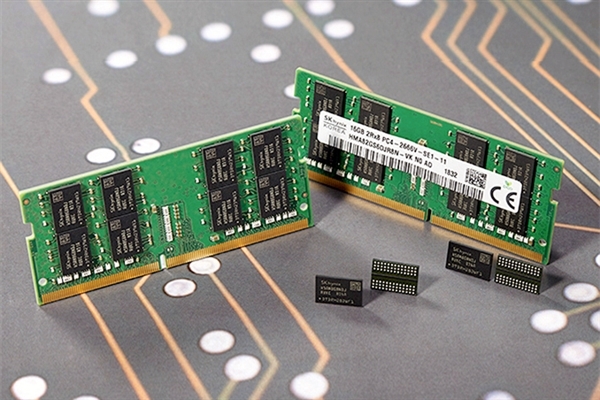
In the past six months, DDR4 memory has also been rising in price, but more due to market speculation. Price adjustments began some time ago, and the so-called memory price plunge seen last month was actually due to the inability to further inflate DDR4 prices.
According to data from Future Asset Securities, DDR4 memory prices plummeted 16% in April. The excessive premium is becoming increasingly unsustainable, and many manufacturers and distributors can no longer withstand such speculation and have been forced to lower prices and reduce inventory.
However, mainstream memory DDR5 not only did not fall in price in April but actually rose by 2.8%, as this memory remains the mainstream for current PCs, mobile phones, and AI data centers.
Notably, recent Korean media reports indicate that the memory capacity required for AI CPUs has surged from the previous 96-256GB to 300-400GB, which will significantly increase demand for DDR5 memory. The supply shortage issue will be extended by another year from 2026 to 2027.
Korean media reports, ultimately, convey the core idea that memory prices will continue to rise, which will be welcomed by the three major memory chip suppliers: Samsung, SK Hynix, and Micron.