iOS 26.5 Will Provide End-to-End Encryption for RCS Messaging Between iPhone and Android
Apple today confirmed that messages sent via the RCS standard between iPhones and Android devices will officially support end-to-end encryption (E2EE) in the upcoming iOS 26.5, as detailed in Apple's iOS 26.5 update notes. This means cross-platform messaging will align with iMessage in terms of security, further enhancing user privacy when communicating across different ecosystems.
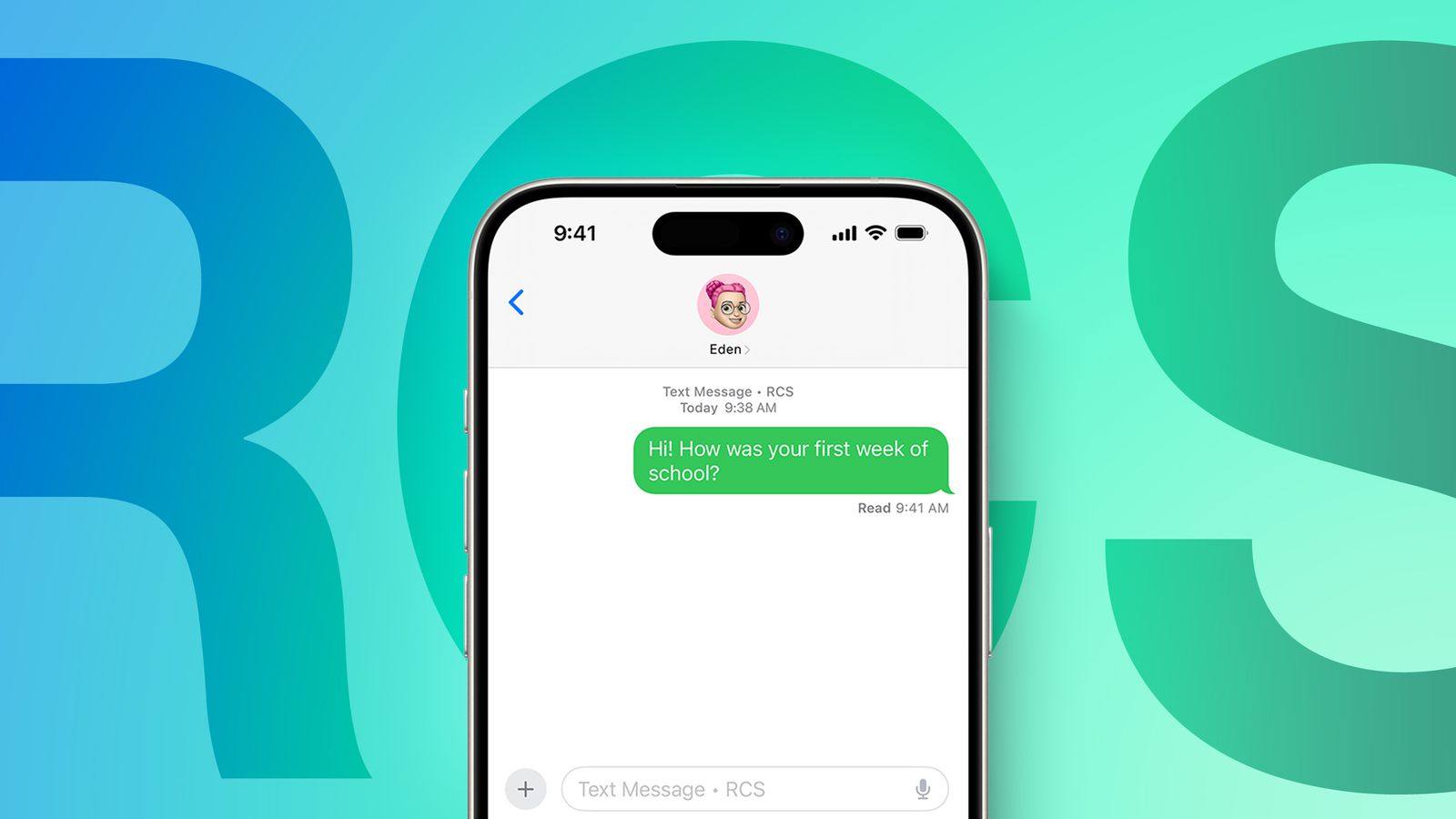
Apple stated that end-to-end encrypted RCS messages will still be marked as a beta feature in iOS 26.5, but will be gradually rolled out to supported carriers with the release of the version. To enable encrypted communication, both parties in the conversation must use carrier networks that support the latest version of RCS; otherwise, messages will not be protected by end-to-end encryption. Currently, this feature is only available in select carrier environments, and coverage will be expanded in phases.
It is introduced that RCS end-to-end encryption is enabled by default, and users do not need to manually enable it. The function switch option is provided on the message settings page in the system's "Settings" app, allowing users to manage it as needed. Encrypted messages will be identified with a small lock icon in the interface, helping users intuitively determine whether the current session is encrypted.
Apple began testing end-to-end encryption for RCS messages as early as the iOS 26.4 testing phase, but this feature was not released with the official version of iOS 26.4. Subsequently, the end-to-end encryption function reappeared in the iOS 26.5 beta and continued throughout the testing cycle. With the release of iOS 26.5, iPadOS 26.5, macOS Tahoe 26.5, and watchOS 26.5, RCS conversations between iPhone and Android will be comparable to encrypted communications via iMessage between iPhones in terms of security level.
End-to-end encryption means that the message content is encrypted at the sending end and decrypted only at the receiving end. Third parties on the transmission path (including service providers) cannot read the message content, effectively preventing interception and eavesdropping. In the current environment, unencrypted RCS messages still pose potential privacy risks when communicating across platforms, and the addition of iOS 26.5 will significantly improve this situation.
Apple cooperated with the GSM Association this time to introduce end-to-end encryption mechanisms for RCS messages. E2EE capabilities are incorporated into the RCS Universal Profile 3.0 specification, which was developed with Apple's participation and is based on the Messaging Layer Security (MLS) protocol. In addition to security upgrades, RCS Universal Profile 3.0 also introduces features such as editing and deleting messages, cross-platform Tapback expression feedback support, and in-line replies to specific messages in cross-platform conversations. These improvements will jointly promote a more unified and modern instant messaging standard for messaging between iPhone and Android.