UK Minors Bypass Age Verification Restrictions Using Fake Beards, VPNs, and Parental Accounts
A recent survey by the charity InternetMatters reveals that the UK's Online Safety Act has limited effectiveness in preventing minors from accessing social media and adult content. The survey, covering 1270 children aged 9-16 and their parents, found that approximately 32% of children admitted to circumventing age verification mechanisms.
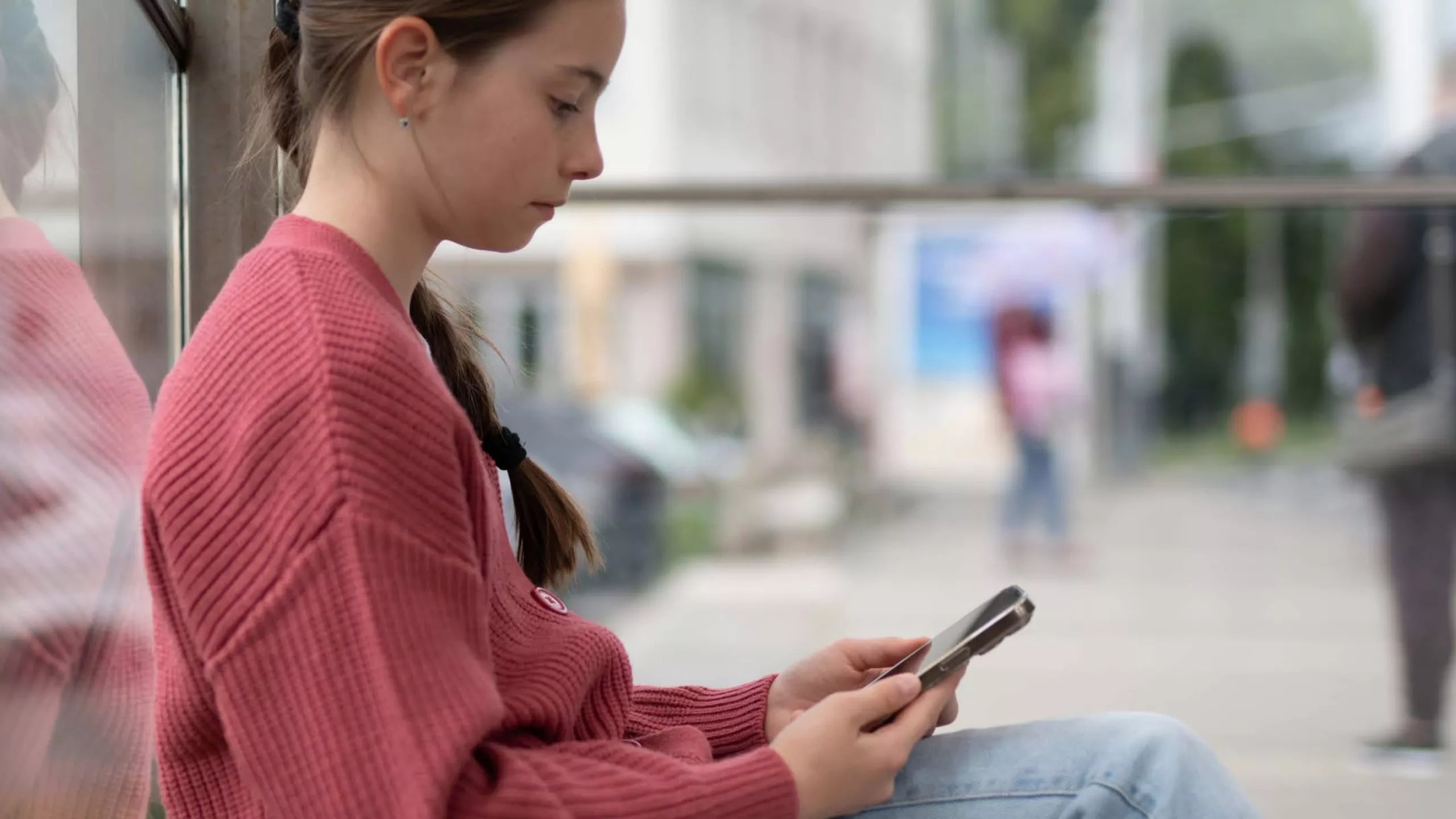
The survey found that entering false dates of birth remains the most common method of bypassing restrictions. In addition, minors use adult devices or credentials, enable VPNs, and borrow other people's identification to break through limitations. Notably, about one-sixth of parents have actively helped their children bypass these restrictions, mainly because they trust their children and understand the online services they are trying to access.
Regarding age verification technology, the reliability of facial scanning systems is being questioned. A British parent discovered that after their 12-year-old child drew a fake beard on their face, the age estimation software incorrectly identified them as 15 years old. Previous research has shown that while facial scanners are highly accurate in identifying users over 18, their effectiveness significantly decreases when analyzing adolescent faces. Some children have even successfully used images of video game characters to pass facial verification.
Since the UK began implementing age restrictions on adult websites last year, and Australia banned minors from using social media, VPN downloads have surged. Social media platforms and other applications, such as Discord and YouTube, have also begun implementing age checks on some accounts after attempting to ban minors from social media in countries like Australia. Although the UK has not yet enacted a similar comprehensive ban, minors are already encountering age verification requirements when creating new accounts. Some services do not completely prohibit users under 16, but rather restrict certain features, such as live streaming and direct messaging.
Privacy and security concerns also raise worries for parents. After Discord required age verification, its associated identity database was leaked, followed by the appearance of an application that uses 3D models to bypass the service's facial scanning. One parent in the survey worried that fraudulent websites could use age verification to collect children's private information.
Meanwhile, regulators have begun taking action against VPNs, but this has had unintended consequences. US lawmakers recently warned that VPN users may be subject to government surveillance, as networks cannot determine whether they are operated by foreign entities. Utah recently became the first US state to pass anti-VPN legislation, while Russia inadvertently caused widespread failures in its banking system while attempting to block VPNs.
This research indicates that while digital restrictions have reduced children's exposure to harmful content to some extent, there is still a long way to go to completely solve the problem. While some children and parents agree that protective measures should exist, there is disagreement on whether facial scanning or government ID checks are the best solutions.